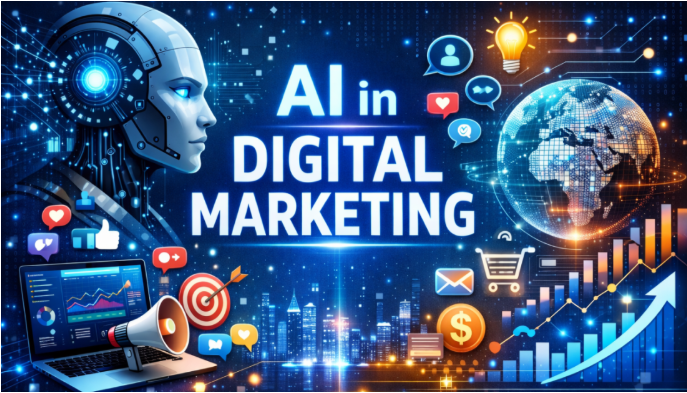
Understanding the Meaning of Artificial Intelligence
Artificial Intelligence refers to the ability of machines and software systems to perform tasks that normally require human thinking. These tasks include learning from data, recognizing patterns, solving problems, and making decisions. Instead of following fixed instructions, intelligent systems adapt based on information and experience. This capability has changed how technology supports everyday activities and complex operations across industries.
Why Artificial Intelligence Is Gaining Global Importance
The rapid growth of data and computing power has accelerated the adoption of Artificial Intelligence worldwide. Organizations need faster and more accurate ways to process information. Intelligent systems can analyze massive datasets within seconds and uncover insights that humans might miss. This efficiency helps businesses improve productivity, reduce costs, and respond quickly to changing conditions. As a result, intelligent technology has become a strategic priority.
How Artificial Intelligence Works in Simple Terms
At a basic level, Artificial Intelligence systems rely on data, algorithms, and computing resources. Data is collected from various sources and processed using models designed to recognize patterns. Over time, these models improve by learning from outcomes and feedback. When new information is introduced, the system applies what it has learned to produce predictions or decisions. This learning driven approach makes intelligent systems flexible and powerful.
Applications of Artificial Intelligence in Daily Life
Many people interact with Artificial Intelligence without realizing it. Virtual assistants respond to voice commands and answer questions. Recommendation systems suggest products, videos, and music based on preferences. Navigation tools optimize routes by analyzing traffic patterns. These everyday applications demonstrate how intelligent systems enhance convenience and personalization in modern life.
Role of Artificial Intelligence in Business and Industry
Businesses use Artificial Intelligence to improve operations and decision making. In customer service, intelligent chat systems handle common inquiries efficiently. In manufacturing, predictive analysis helps reduce downtime and improve quality. Financial organizations rely on intelligent tools to manage risk and detect unusual activity. These applications help companies operate more efficiently while delivering better experiences to customers.
Benefits of Artificial Intelligence for Organizations
The benefits of Artificial Intelligence extend beyond automation. It supports data driven decisions by providing accurate insights. It reduces human error in repetitive tasks and increases consistency. Intelligent systems also scale easily, allowing organizations to grow without proportional increases in cost. By freeing employees from routine work, businesses can focus on creativity, strategy, and innovation.
Challenges and Ethical Considerations
Despite its advantages, Artificial Intelligence presents challenges that must be addressed responsibly. Data quality and bias can affect accuracy and fairness. Some systems lack transparency, making decisions difficult to explain. Privacy concerns arise when large volumes of personal data are used. Addressing these issues requires clear policies, ethical guidelines, and ongoing oversight to ensure responsible use.
Artificial Intelligence and the Workforce
The impact of Artificial Intelligence on jobs is a common concern. While some tasks may be automated, new roles are also created that require human judgment, creativity, and oversight. Intelligent systems are best viewed as tools that support human work rather than replace it entirely. Organizations that invest in training and skill development can create a balanced and productive workforce.
Future Trends in Artificial Intelligence
The future of Artificial Intelligence is closely linked to innovation in computing and data management. Intelligent systems will become more accurate, adaptive, and accessible. Integration with other technologies will expand their capabilities across sectors such as healthcare, education, and transportation. As adoption grows, focus will increase on transparency, trust, and ethical implementation.
Final Thoughts on Artificial Intelligence
Artificial Intelligence has become a powerful force shaping modern technology and society. It improves efficiency, supports better decisions, and enhances everyday experiences. When used responsibly, intelligent systems offer long term value for individuals and organizations alike. As technology continues to evolve, understanding and embracing intelligent solutions will be essential for sustainable growth and progress.